



Whole Tooth Column: 3 things most people get wrong about veneers
New Smiles Dental contributes a monthly column about dental health
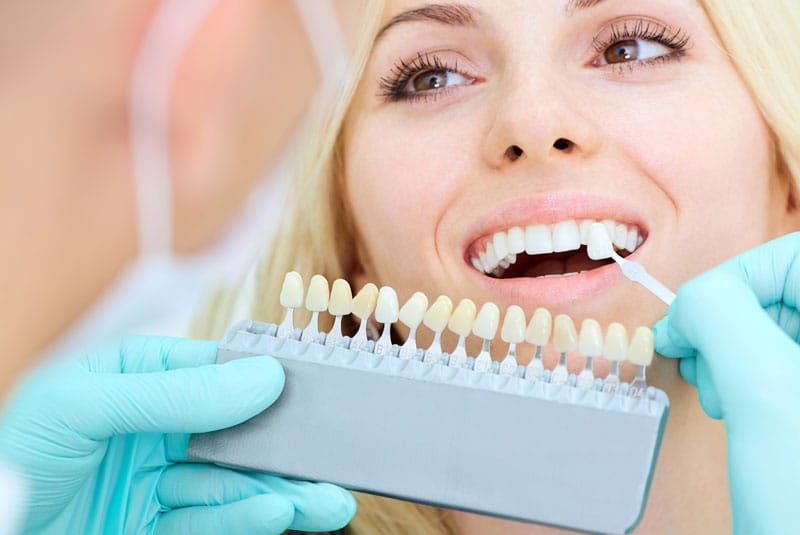
By Dr. Aaron Wikle, DMD — General Dentist, New Smiles Dental
SHERWOOD, Ore. — Most people who come in asking about veneers lead with the same disclaimer: "But I don't want to look like a reality TV star."
I hear this constantly — and honestly, I love that patients say it out loud, because it tells me exactly what they're afraid of. The oversized, blindingly white, uniform smile that dominated celebrity culture for years gave veneers a reputation they don't deserve. And that reputation, along with a few other persistent myths, is keeping a lot of people from a treatment that could genuinely change how they feel about their smile.
So let's clear up the three misconceptions I hear most often.
Misconception #1: Veneers will look fake
Modern ceramic veneers look nothing like what most people picture. Today's veneers are ultra-thin shells of custom-designed ceramic, individually shaped and shaded to complement your specific features — your skin tone, your other teeth, the natural variation in color that makes a smile look real rather than manufactured. The goal is never a cookie-cutter result. It's a smile that looks like the best version of yours.
What separates a natural-looking veneer result from an artificial one is largely the artistry and precision behind it. When you're evaluating a dentist for this procedure, it's worth asking about their process — specifically how they approach color matching, shaping, and the overall design of your smile before anything is permanent. A good veneer dentist treats this as both a technical and an aesthetic process, and takes the time to get it right.
Misconception #2: They have to shave your teeth down
This one stops a lot of patients before the conversation even starts. The image of significant tooth reduction feels irreversible — and that's a reasonable thing to be cautious about. But the reality is much less dramatic than most people expect.
Ceramic veneers typically require the removal of only a very thin layer of enamel from the front surface of the tooth — roughly half a millimeter in many cases — to allow the veneer to sit naturally without adding bulk. For patients with certain tooth shapes or conditions, even less or no removal may be needed. The process is carefully planned, minimally invasive, and designed to preserve as much of your natural tooth structure as possible. In fact, because veneers add a protective layer over the tooth surface, they can actually help guard against further wear or damage.
Misconception #3: They're only for people with minor issues
Veneers are more versatile than most patients realize. Yes, they're an excellent solution for minor chips or slight discoloration, but they also effectively address gaps between teeth, crowding, uneven or misshapen teeth, worn-down enamel, and more significant discoloration that whitening can't fully correct. For patients whose concerns were brushed off as "too cosmetic" for further discussion or "not serious enough" for more invasive options, veneers often land right in that sweet spot.
Candidacy is something we assess individually, because every mouth is different. What matters is understanding your specific goals and finding the right path to get there — which starts with a conversation, not a commitment.
The question worth asking yourself
If you've been avoiding your own reflection in photos, hesitating before you smile in a meeting, or quietly wondering whether something could be done, the answer is probably yes, something can. Most patients tell me afterward that they wish they hadn't waited as long as they did. A consultation is just a conversation. You don't have to decide anything on day one.
New Smiles Dental is located at 17680 SW Handley St #101 in Sherwood. To schedule a complimentary consultation, call 503-925-9595.