

Navigating the Golden Years Column: Finding the right community for your next chapter
Tips for thoughtful transitions
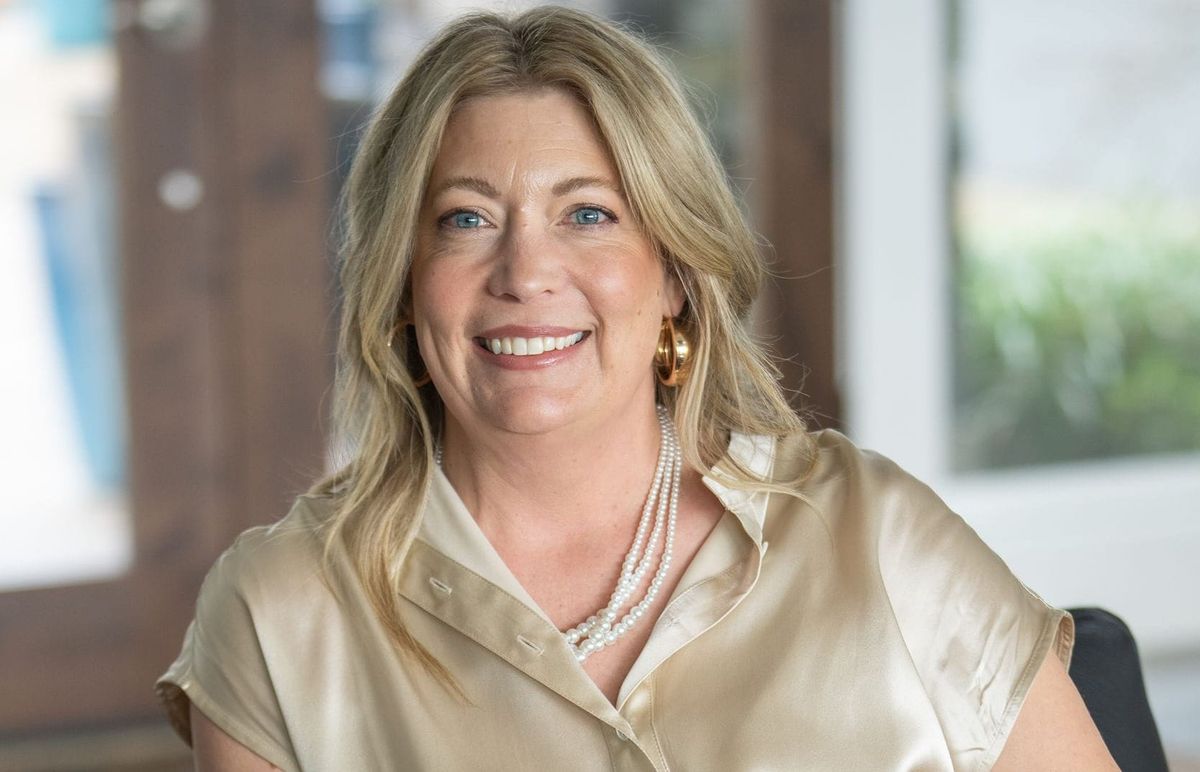
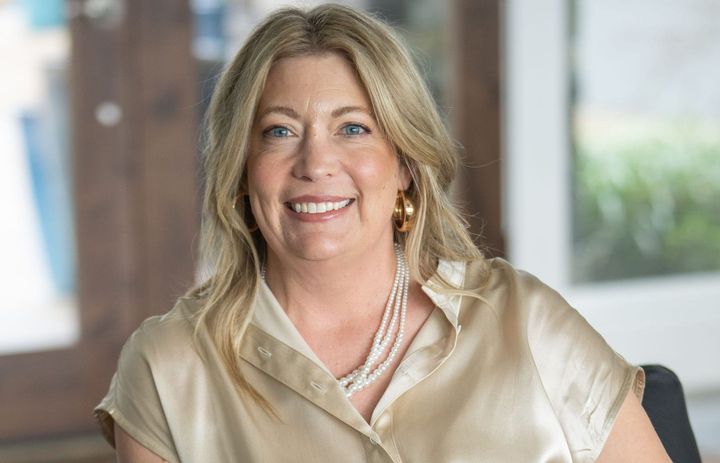
By Jenny Quirie, senior real estate specialist
SHERWOOD, Ore. — For many people beginning to think about downsizing, the conversation is not just about finding a smaller home. It is about finding the right lifestyle.
That is one reason active adult communities have become increasingly popular. These communities can offer lower-maintenance living, social connection, amenities, and homes designed with long-term comfort and accessibility in mind.
But not all active adult communities are the same.
One of the biggest misconceptions I see is people assuming they simply need to pick a community. In reality, finding the right fit often requires careful thought, honest conversations, and a clear understanding of what matters most in the next chapter of life.
For some, the priority is staying socially active and connected. They may want walking trails, golf, pickleball, clubs, fitness classes, or organized community events.
For others, the focus is simplicity and ease of living. They may care less about amenities and more about finding a quiet, low-maintenance home close to health care, shopping, and family.
Some individuals are looking for a true lock-and-leave lifestyle that allows them to travel more freely without worrying about yard maintenance or ongoing upkeep. Others want enough space for visiting children and grandchildren while still reducing the responsibilities that come with a larger family home.
The important thing is recognizing that downsizing is not one-size-fits-all.
Another factor people often overlook is the emotional side of the transition. Leaving a longtime home and moving into a new community can feel exciting, but it can also feel unfamiliar and emotionally difficult.
That is why I always encourage clients to spend time exploring communities before making a decision.
Visit more than once. Drive through at different times of day. Talk to residents if possible. Walk the neighborhood.
Spend time understanding not only the homes, but the overall feel of the community itself. The lifestyle matters just as much as the floor plan.
It is also important to think beyond today's needs and consider how the community may support you five, 10, or even 15 years from now.
Questions worth considering include:
● Is the home single-level and easy to navigate?
● Are there nearby health care services?
● How far away is family?
● Are there opportunities for social connection?
● Does the community feel active and welcoming?
● Are HOA fees and maintenance responsibilities manageable long term?
● Will this home still support your lifestyle as your needs evolve?
It can also be helpful to read online reviews and pay attention to recurring themes. While no community will have perfect reviews, patterns can provide valuable insight into resident satisfaction, staff responsiveness, dining experiences, maintenance, and overall quality of life.
As with any major decision, it is wise to gather information from multiple sources and trust both the facts and your personal impressions.
One thing I often remind clients is that the goal is not simply to find a smaller house. The goal is to find a home and community that support the life you want to live moving forward.
Sometimes that means prioritizing convenience. Sometimes it means prioritizing connection and community. And sometimes it simply means finding a place that feels peaceful, manageable, and right.
Finding the right active adult community is not just a real estate decision. It is a lifestyle decision, and it deserves patience, clarity, and careful planning.
The right community can create not only easier living, but also new friendships, meaningful experiences, and opportunities to embrace the next chapter with confidence. In many cases, what begins as a downsizing decision becomes the doorway to a richer, more connected, and more fulfilling life.
Copyright © 2026 by [Jenny Quirie]. All rights reserved. No part of this article may be reproduced, distributed, or transmitted in any form or by any means, including photocopying, recording, or other electronic or mechanical methods, without the prior written permission of the author.