



$170k grant funds early literacy tutoring program in Sherwood School District
Thanks to grant money, the Sherwood School District has launched a program designed to help young elementary school students with reading skills.
SHERWOOD, Ore. — Thanks to grant money, the Sherwood School District has launched a program designed to help young elementary school students with reading skills. It’s called High Dosage Tutoring and the program will be funded by $170,000 in Early Literacy School District Grants.
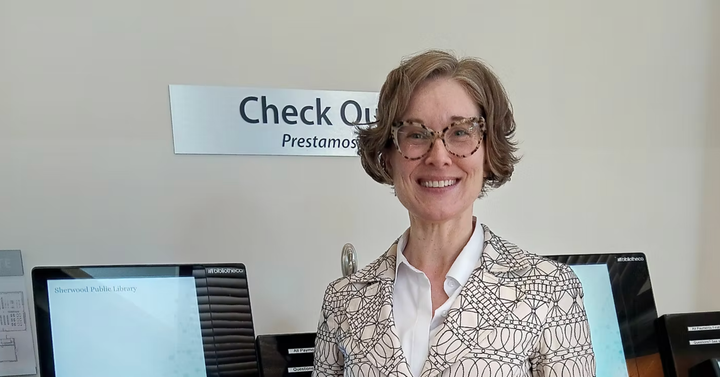
Director of Curriculum and Instruction for the Sherwood School District, Patrick Shuckerow, oversees the program.
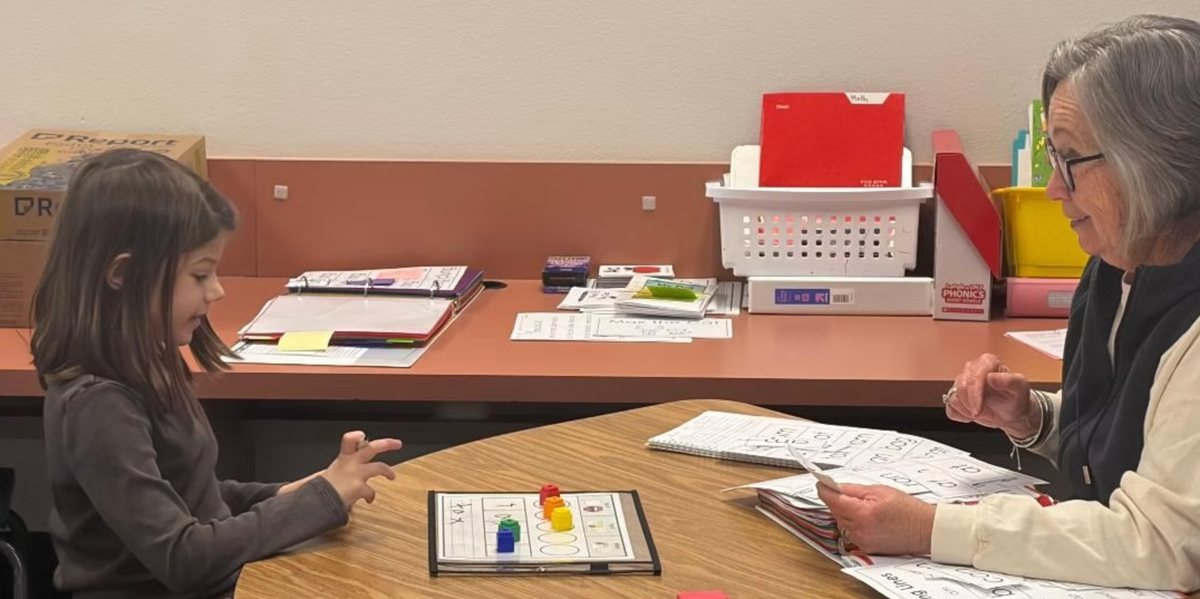
“High Dosage Tutoring is frequent small-group instruction for primary age students in the area of early literacy skills,” Shuckerow said. “The groups are small, so between one and four students. It’s highly targeted, meaning that we want the students in the same group to have the same academic needs.”
Kindergarten through third grade students will get tutoring on phonics, letter-sound correspondence, reading, writing, single-syllable words, and seeing patterns within those words.
“It uses science-backed curriculum,” he said. “Education, as an institution, has gone through a dramatic change in how we teach reading.”
Shuckerow continued, “High Dosage Tutoring is the most recent element we are working on. Before that, it was adopting a new curriculum, training teachers, adopting new materials for intervention, and this High Dosage Tutoring is just another piece of that.”
The High Dosage Tutoring Program is currently underway at the Sherwood School District, according to Shuckerow, and about 120 students are enrolled at this time.
“Last spring and this fall, we did a lot of research as a team to develop the model, making sure we were doing it correctly,” he said. “This fall, we finalized what those plans are. We have four elementary schools so a part of that planning was understanding our schedules, seeing where we could put in this tutoring in a way that made the most sense and could be most effective for classrooms and students.”
Approximately 12 tutors have been hired to run the tutoring program, with some having teaching backgrounds, others not. Students are tutored at Sherwood elementary schools during the school day.
Asked if COVID had an impact on reading skills, Shuckerow said, “So much of teaching is understanding your students and responding to their needs. So much of that happens moment to moment. A lot of early learning is sounds and the shape of your mouth, learning the distinction between an N, where your lips are open, and an M where your lips are closed. Sometimes that little piece of coaching can make all the difference.”
Shuckerow notes that a mix of students are enrolled in the no-cost program.
“We don’t make any distinction between students who have a reading disability or not, English language or not,” he said. “It’s open access for any student who has demonstrated the need.”
The High Dosage Tutoring Program is not unique to the Sherwood School District.
“This model is becoming more and more popular,” he said. “We know Portland is doing something similar to this. We know other school districts are as well. We’re all in the early stages of understanding how to make this work. The grant sets aside High Dosage tutors as one of its key elements, so a lot of districts are in the same place that we are right now.”
Asked if there is concern over the reading skills of these young Sherwood students, in comparison with other districts, Shuckerow said, “Not particularly. Generally, our test scores are pretty high in Sherwood. Early learning is such an important part of how students learn throughout their academic careers. It makes sense to focus there. I would say every school district has students who could benefit from a program like this.”
Shuckerow is noticing positive responses from kids in the Sherwood School District program.
“Yes, they are doing great,” he said. “The pacing is fast, it’s hands-on. I think one of the most motivating things for young learners is to see their own growth with a program like this. They can see themselves learning letter sounds, they can see themselves being able to spell better, recognize words more quickly. That can be very motivating.”
While Shuckerow oversees the tutoring program, he gives credit elsewhere.
“The legwork is done by our teachers, instructional coaches, principals and the instructional assistants that we hired,” he said. “My role is to help design the model and make sure it gets executed well. Their role is everything else. All the important stuff.”