



Whole Tooth Column: The real cost of dental implants
New Smiles Dental contributes a monthly column
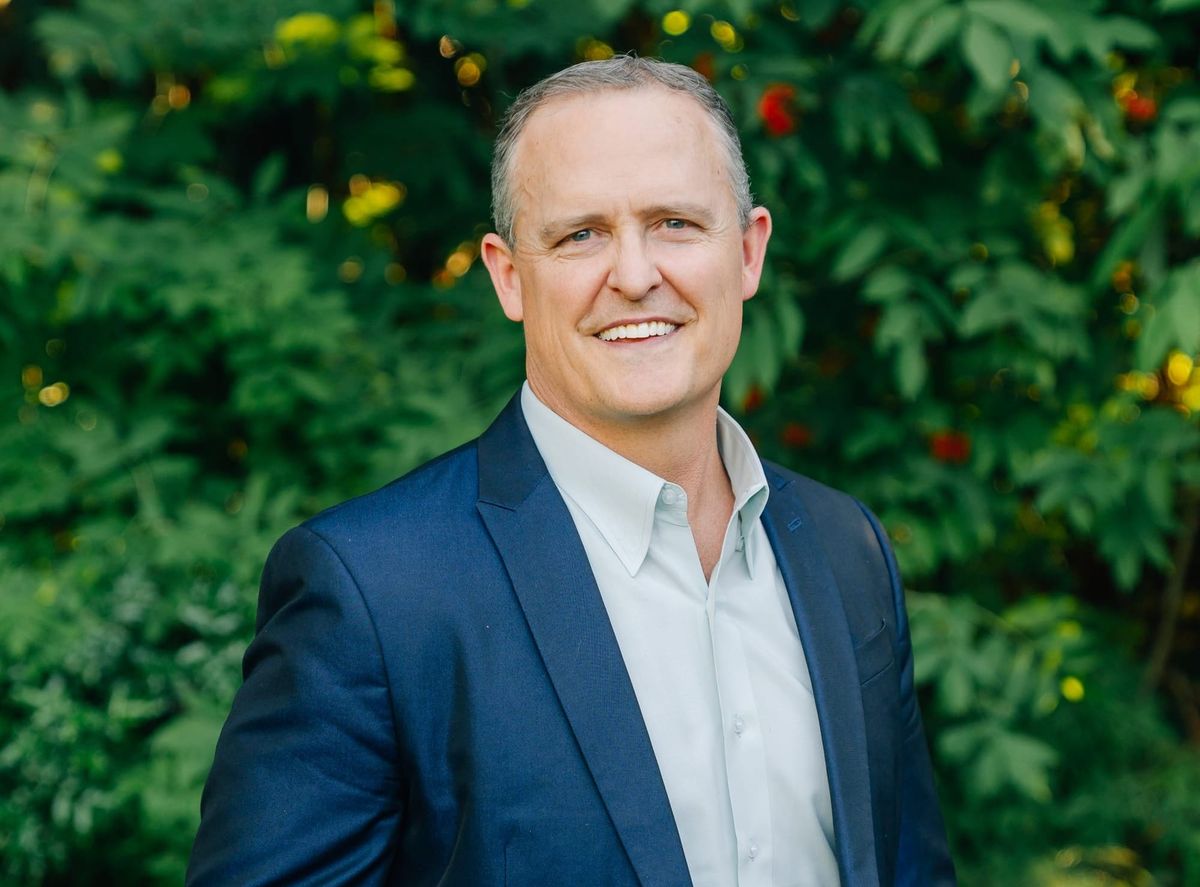
By Dr. Nathan Doyel, DMD, FAAID, DABOI/ID, General Dentist and Implant Specialist, For The Sherwood Sun
SHERWOOD, Ore. — A patient sat down in my chair not long ago and told me she had saved $12,000 on her implants by having them placed overseas. But then came the complications. And later, before coming to us, she had spent double that trying to fix what was done out of the country.
As a board-certified implant specialist who lectures nationally and internationally on implant surgery and its complications, I see this more than most. And every time, it breaks my heart — because no one told them what they needed to know before they boarded that flight. That the cost of an implant and the price of an implant are not the same thing. Here’s what I wish all potential implant patients knew.
Our biology doesn't negotiate
Dental implants are not products you purchase. They are complex medical procedures built around a biological process called osseointegration — the months-long journey in which your jawbone slowly fuses to the implant post. That process cannot be rushed, and it cannot be supervised from another continent. Most dental tourism packages compress treatment into one or two weeks and send patients home during the most critical window of healing. Your medications, your bone density, your systemic health — all of it quietly shapes whether an implant succeeds or fails. When a provider abroad doesn't know your history and will never see your outcome, those variables go unmanaged.
Understand the term "geographic success"
Many international dental tourism clinics boast impressive success rates. There's a reason for that — and it unfortunately isn't superior care. Because patients return home shortly after surgery, these clinics never see the complications or failures. Every case is a success to them. The infections, the bone loss, the broken hardware — those complications surface months later, in the offices of local specialists who are left to piece things back together. Without proper follow-up care, overseas clinics carry none of the financial burden and none of the accountability, which is why they can charge lower fees and claim good success rates.
What Implant Specialists across the USA are actually seeing
“I want to be specific because vague warnings are easy to dismiss. Patients have come to us with implants placed outside the bone, painful infections, sinus perforations, permanent nerve damage, broken prosthetics, and stripped screws. Many overseas clinics lower costs by using components not approved or distributed in the US. When those parts fail, they often cannot be sourced here, leaving no domestic repair option. Patients are left with two choices: return to a provider overseas with little incentive to help, or start over at full cost while also paying to repair the damage.”
What to look for in any provider
Whether you're considering care locally or abroad, these questions inform you:
- Is computer-guided surgical technology part of the procedure?
- Do any of my medications interfere with the success of my implant?
- Does the team ensure a sterile field during surgery?
- Who monitors my healing — and is there follow-up care in place?
- What happens, specifically, if there are complications or the implants fail?
You deserve care that does not end the moment you board a flight home. True implant success takes time, patience, and a provider who is standing beside you for the entire process — before the surgery, through the healing, and years down the road. When you choose a local specialist, you're not just paying for a procedure. You're paying for accountability, continuity, and someone who has every reason to see you succeed.